STICKY GOCHUJANG FRIED CHICKEN RECIPE | MAPLE SMOKED PINEAPPLE VINEGAR GLAZE
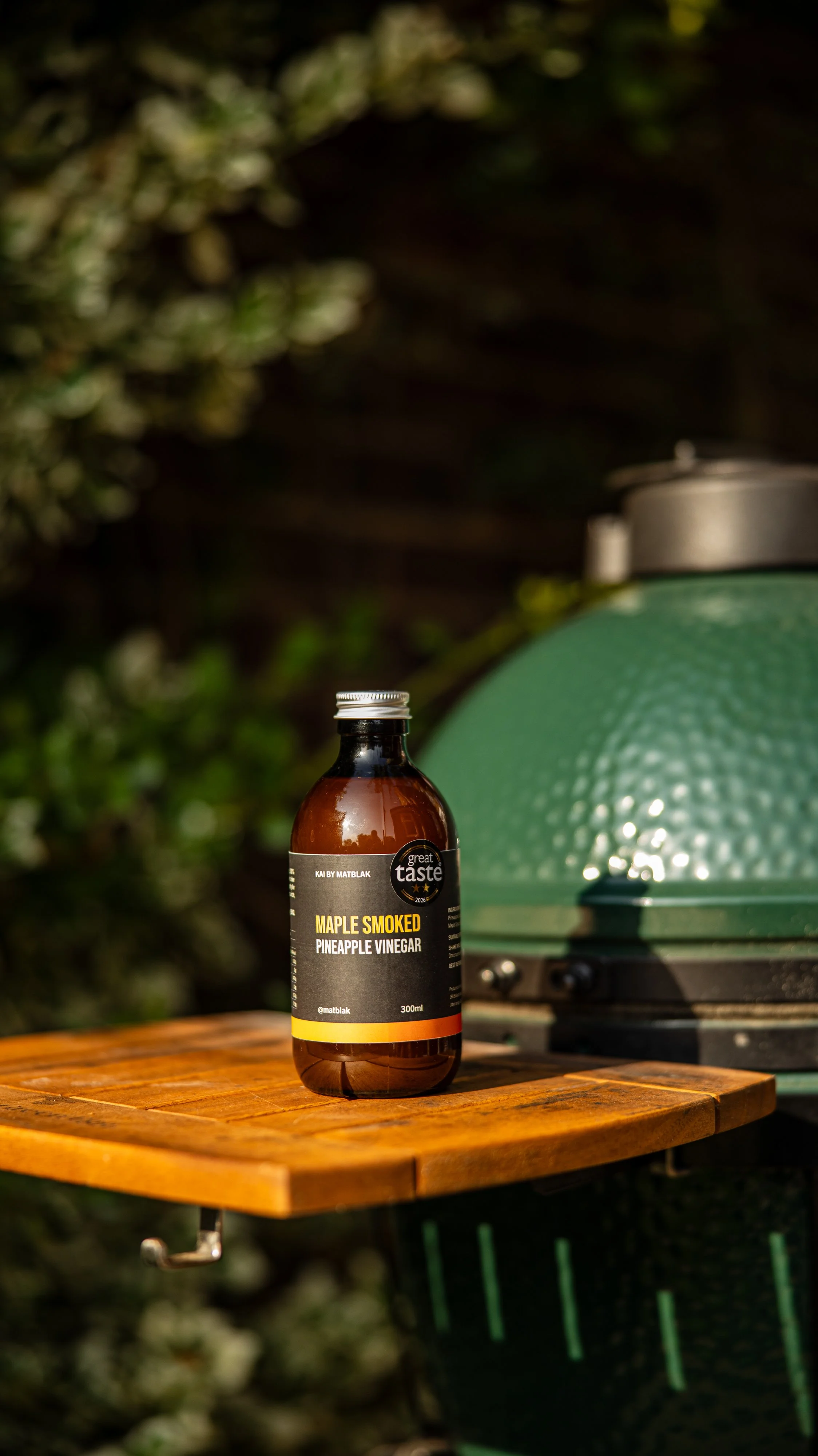
One of the questions I'm asked more than almost any other. How do you actually use it? This pineapple vinegar of mine?
The answer, delightfully, is simple. Treat it exactly as you would treat any vinegar in your arsenal. A like for like replacement, nothing more mysterious than that.
Take good olive oil, warm bread, and a few generous drops of the vinegar. A couple of raspy turns of black pepper. Suddenly you have yourself a smokey, peppery dip worthy of the finest sourdough, something with real depth and a whisper of theatre.
Or consider the chilli. The deep, rich, unctuous sort that has spent hours slowly confessing its secrets to the oven, been chilled overnight, and has only just returned to temperature. Stir through a few generous tablespoons of this delicious condiment and watch it transform entirely.
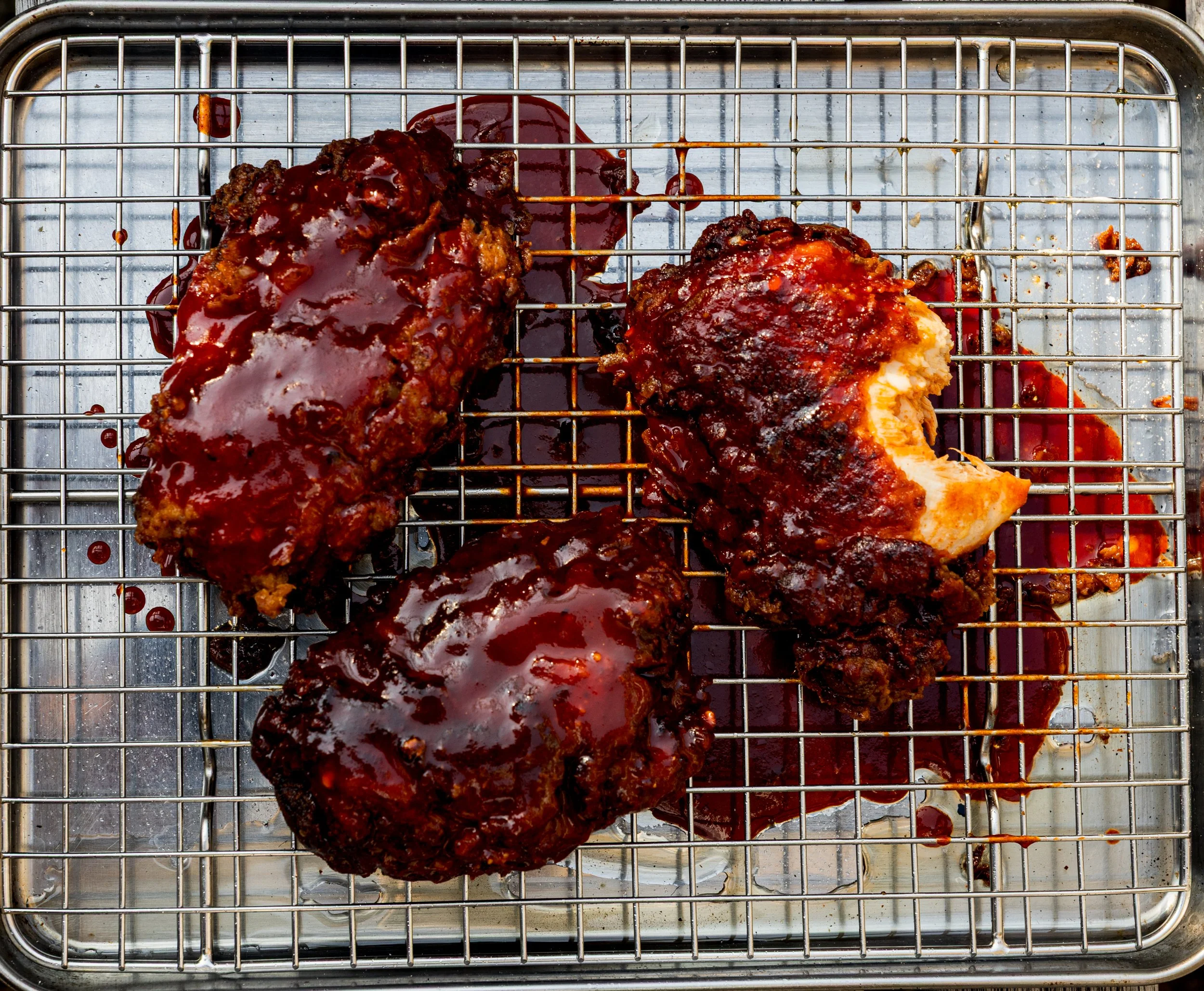
And here is what I have done, my own small act of culinary mischief. While by no means traditional Korean cookery, there is a knowing nod here to the great Korean chefs whose work I admire deeply. I have replaced the customary rice vinegar with my own Maple Smoked Pineapple Vinegar, married with gochujang, maple, and butter. A little irreverent, perhaps. Entirely delicious, certainly.
Sticky Gochujang Fried Chicken Recipe | Maple Smoked Pineapple Vinegar Glaze
Ingredients
8 bone-in, skin-on chicken thighs
400ml Greek yoghurt, thinned with maple smoked pineapple vinegar
1 tbsp salt
1 tsp chicken powder, optional but it helps
200g plain flour
1 tsp garlic powder
1 tsp onion powder
1/2 tsp chilli flakes
Salt and pepper
Neutral oil, enough for a 2cm depth in the pan
2 tbsp gochujang
2 tbsp maple smoked pineapple vinegar
1 tbsp maple syrup
1 tbsp butter, optional
Method
Begin by whisking the Greek yoghurt and maple smoked pineapple vinegar together, coaxing it into something a touch looser and more languid. Marinate the chicken within this mixture, joined by salt and chicken powder, for no fewer than four hours, though overnight is where the real alchemy happens. Greek yoghurt, thinned this particular way, possesses a thickness and tenacity that far surpasses buttermilk, clinging to the chicken with genuine conviction, which is precisely what conjures that coveted craggy coating. Meanwhile, the vinegar quietly begins its work, infiltrating the meat with its sweet, smoky character from this very first stage.
Combine the flour with garlic powder, onion powder, chilli flakes, salt and pepper, a modest yet purposeful assembly.
Lift the chicken directly from its yoghurt bath, resisting any temptation to shake off the excess. That generous, clinging coating left upon the skin is precisely the architect of those claggy, craggy bits once it meets the flour. Press it into the seasoned flour with real conviction, working it thoroughly, so the wet yoghurt seizes the flour into rough clumps and ridges rather than surrendering to a smooth, uniform coat.
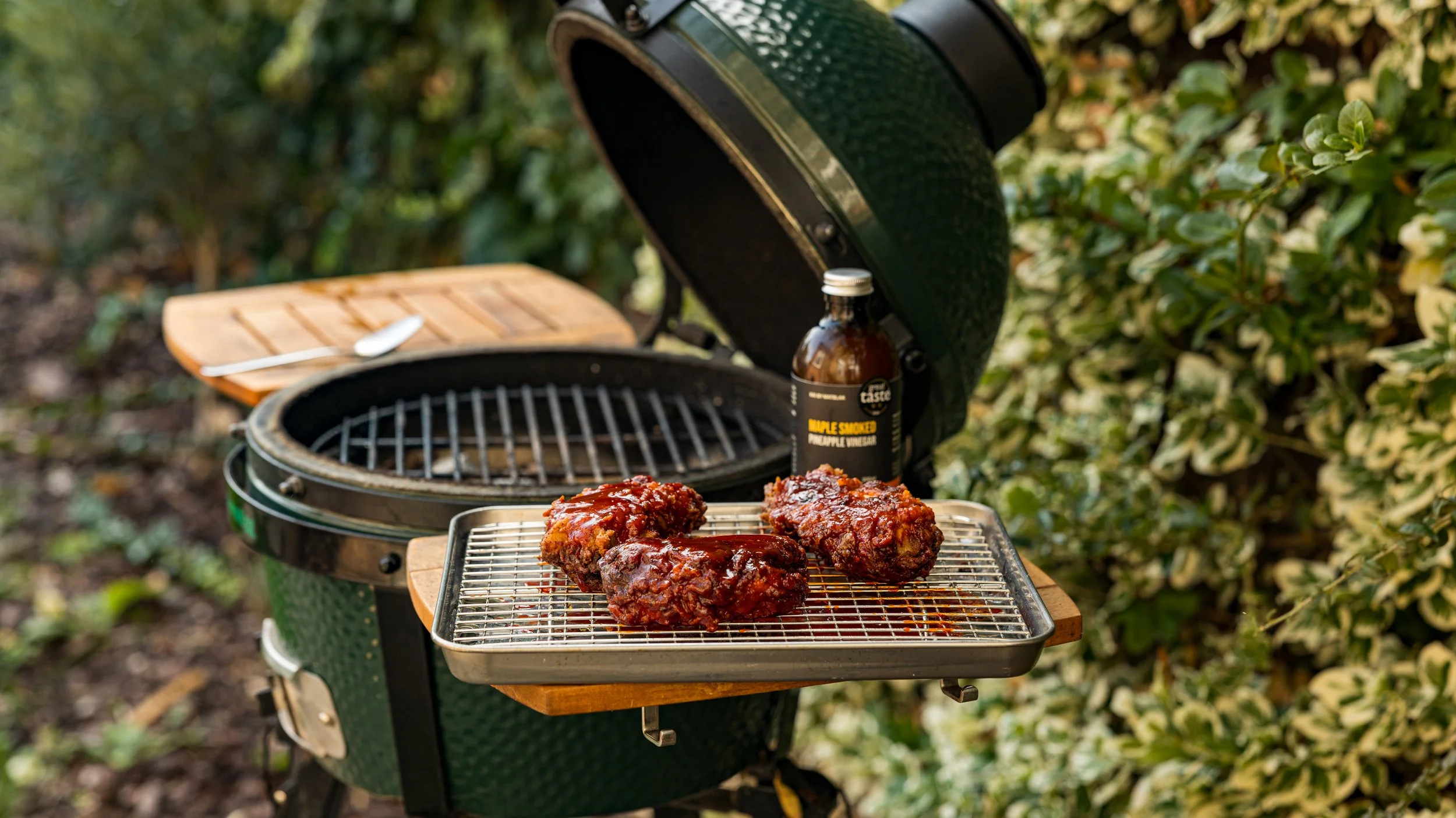
Position the cast iron pan upon the Mini Max grate, preferably over indirect heat or the cooler reaches of the fire, and pour in the oil. Bring it to a genuinely restrained 150C, a mere pinch of flour should sizzle gently rather than protest violently. This unhurried, lower temperature is precisely what preserves the craggy crust, rather than sealing it into something disappointingly smooth.
Fry the chicken in batches, skin side down first, for twelve to fifteen minutes at this measured heat, then turn and allow a further twelve to fifteen minutes, until deeply golden with those wonderfully rough, crisp edges, and cooked through entirely. Resist crowding the pan. Proceeding low and slow demands more patience than a conventional fry, yet the reward is a coating that remains gloriously craggy, with the chicken cooking evenly rather than racing ahead of itself.
Drain upon a rack, allowing it a moment of composure.
While the chicken rests, warm the gochujang, vinegar and maple together in a small pan until glossy and just beginning to bubble with anticipation. Whisk in the butter at the close, should you choose it, for an additional flourish of shine.
Brush or toss the fried chicken through the glaze while it remains hot, allowing those craggy bits to catch and darken beautifully, without ever surrendering to sogginess.
As featured in The Guardian — Autumn Food Trends 2026.
Maple Smoked Pineapple Vinegar named one of the must-buy pantry ingredients of the season.
Two-star Great Taste Award 2026.
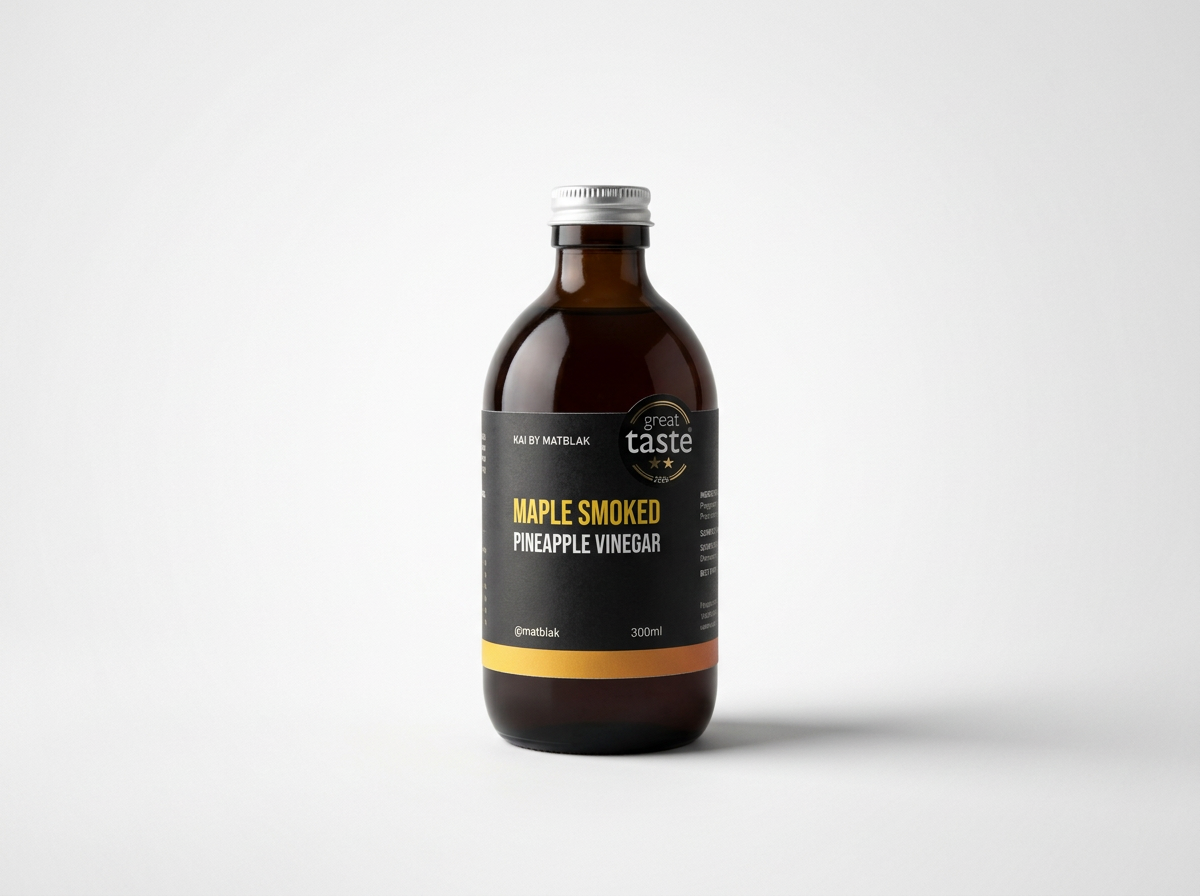
Freshly pressed pineapple juice, 100% pure maple syrup and organic British apple cider vinegar, smoked gently over maple wood chips for 10 hours. The colour band at the base is a nod to synaesthesia, flavour made visible before you even open the bottle.
Spray it over hot fried chicken. Spoon it over raw fish. Mix it with soy for a fast pineapple ponzu. Warm it and finish grilled pork. Add it to a pineapple margarita. It makes simple food taste finished with almost no effort.
Award-winning. Small batch. London-made. 300ml.
Ingredients
Fresh Pineapple Juice (60%), Organic Apple Cider Vinegar (30%), 100% Maple Syrup (9%), Sea Salt.